
Lrintaflow — intermediate yoga practice
Where steady practice deepens
Lrintaflow is a structured online platform for practitioners who have moved past beginner poses and want to study what actually makes yoga work — alignment, breath patterns, and deliberate sequencing. The program does not promise transformation. It asks for consistent attention and rewards it with clarity.
see the program
Recognized in its field
Lrintaflow has built its standing through structured curriculum design and practitioner-specific assessment methods — not marketing. These are some of the contexts where the platform has been noted.
Yoga Alliance Education Index — 2023 listing
Included among platforms offering verifiable intermediate-level curriculum with documented assessment methodology.
Online Learning Consortium — practitioner program review
Cited for quiz-based feedback loops that provide specific correction rather than generic scoring.
Eastern Europe EdTech Forum — Kyiv, 2024
Featured as a regional case study in adaptive content delivery for physical wellness education.

Olenka Veresh
Practitioner, 2 years in
I could hold warrior III but had no idea why my lower back tightened after. The postural quizzes pointed to hip flexor loading I had ignored for months.

Tymur Danchuk
Practitioner, 3 years in
The breath module changed how I approach the hardest poses. It is not about forcing anymore. I just needed to understand the mechanics better.
What it looks like for people here
Most people who join Lrintaflow already practice — sometimes seriously, sometimes intermittently. They have learned a set of poses and built a habit, but they reach a point where effort stops producing change. The body plateaus, the mind gets bored, and the usual tutorials stop helping.
The platform is built for that exact gap. Intermediate practice is not about adding harder poses. It is about understanding why certain things are not working and having a structured way to test that understanding.
read about how the platform was builtWhat is available here
Three distinct areas of study, each built around practical knowledge that gets tested — not just explained. There are no passive video libraries here.

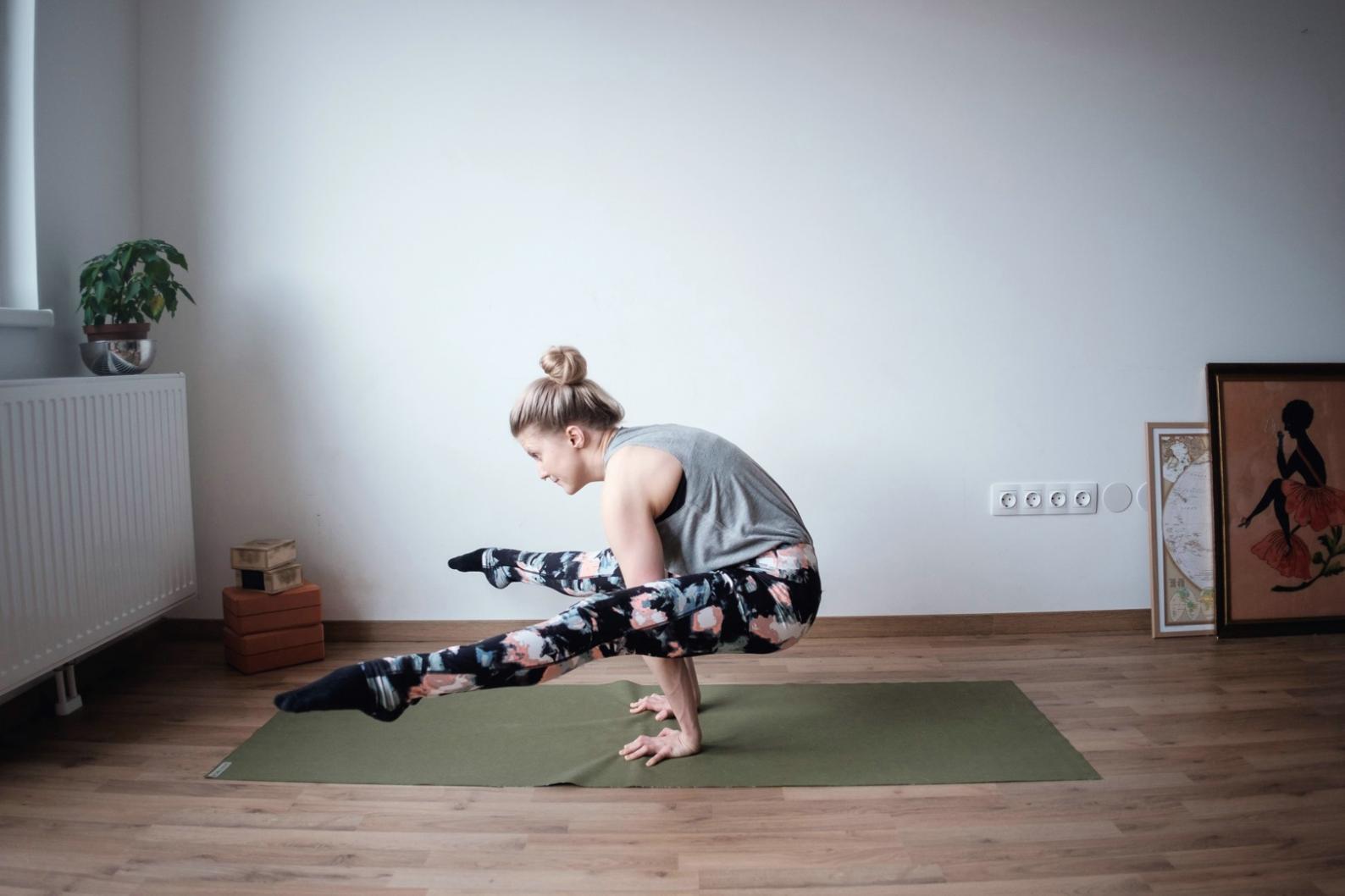
Sequencing Fundamentals
Study how poses relate within a sequence — opening, peak, and closing patterns. Interactive quizzes place you inside a session and ask you to identify what should come next and why.
see modulesPranayama and Breath Control
Nadi shodhana, kapalabhati, sitali — each technique gets its own assessment. You describe what you feel, identify errors in technique descriptions, and receive specific corrective feedback.
see modulesPostural Assessment Quizzes
Scenario-based questions around common misalignments — for instance, what weight distribution signals in trikonasana, or how to read the hips in warrior II. Built to surface blind spots.
view certificationsHow the method here differs
Most online yoga platforms give you a practice to follow. Lrintaflow asks you to explain what you are doing and why. The difference is not subtle — one builds routine, the other builds understanding. Understanding is what survives when the instructor is not in the room.
Feedback is immediate and specific. A wrong answer does not just mark you incorrect — it shows you the precise point of confusion and offers a concrete comparison. This is useful when a practitioner returns to the same pose and wants to know what changed.

What makes this structurally different
- Assessments are scenario-based — you respond to situations, not select from memorized definitions
- Feedback references the specific error, not a generic retry message
- Progress tracking shows which concepts needed multiple attempts — useful for self-directed review
- Modules are available asynchronously — study at your own pace without live session dependencies
What stays with you after
The practice does not end when the module does. What a practitioner carries forward is a set of internal references — a way of reading what is happening in a pose, noticing a drift in alignment, adjusting breath without thinking about it. These are built slowly, through repetition and testing, not explained once.
Body literacy that transfers
When you can articulate what the pelvis is doing in a seated forward fold, that knowledge applies to every variation of that fold — not just the one you studied.
A record of your own gaps
Quiz history is saved. Returning to a module six months later and comparing results shows something a class attendance sheet never could — where understanding actually deepened.
Credentials with a paper trail
Completion certificates reference the specific modules assessed. They describe what was tested, not just that something was finished — which matters when continuing education is the goal.